By Dr. Monika M. Doss, DBA – Progressive Work Institute Founder, Executive Director
Organizational behavior scholar-practitioner with an emphasis on work design that reduces burnout, improves worker well-being, and optimizes organizational performance through Progressive Work.
Burnout isn’t just an organizational challenge—it’s a human tragedy. Across Southeast Asia, a region of over 680 million people, the weight of outdated work structures and the relentless grind of precarious employment are squeezing the life out of workers. It doesn’t have to be this way. A new paradigm, the Progressive Work Model (PWM), promises to reimagine work to fit the realities of our times, addressing burnout and inequality while empowering the workforce.
Southeast Asia is uniquely positioned for this transformation. The region’s vibrant cultures, collectivist spirit, and rapid economic development provide fertile ground for a shift toward progressive work design that prioritizes flexibility, autonomy, and well-being. However, this potential remains largely untapped as rigid hierarchies and colonial-era work practices persist, fueling disengagement and stifling innovation.
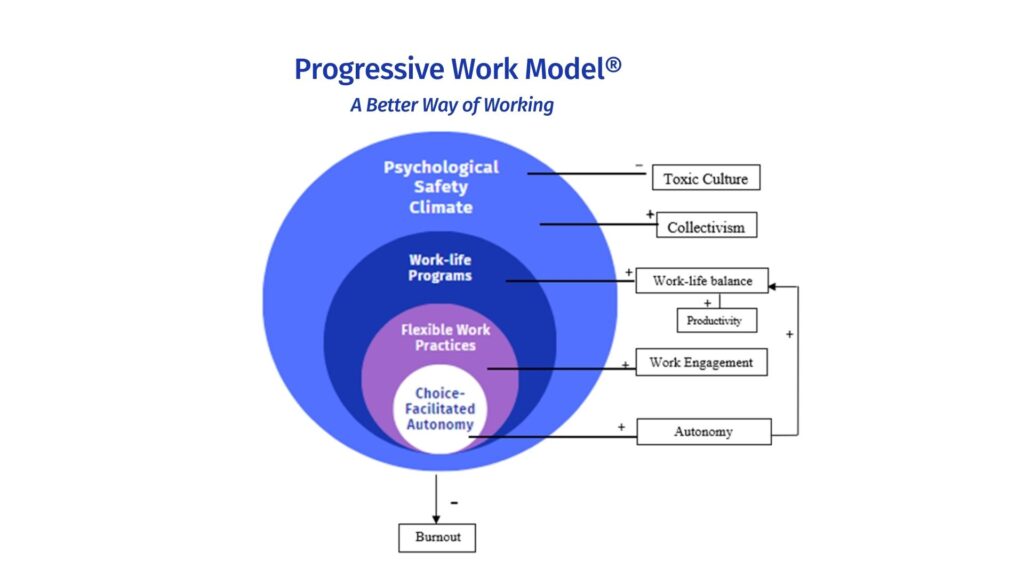
The evidence is clear. The PWM integrates four critical components—psychological safety climate, choice-facilitated autonomy, flexible work practices, and work-life programs—tailored to meet the diverse needs of modern organizations’ workforces. These strategies, grounded in decades of research, hold the key to addressing systemic challenges and unlocking Southeast Asia’s full workforce potential.
The Burnout Crisis: Beyond Individual Failings
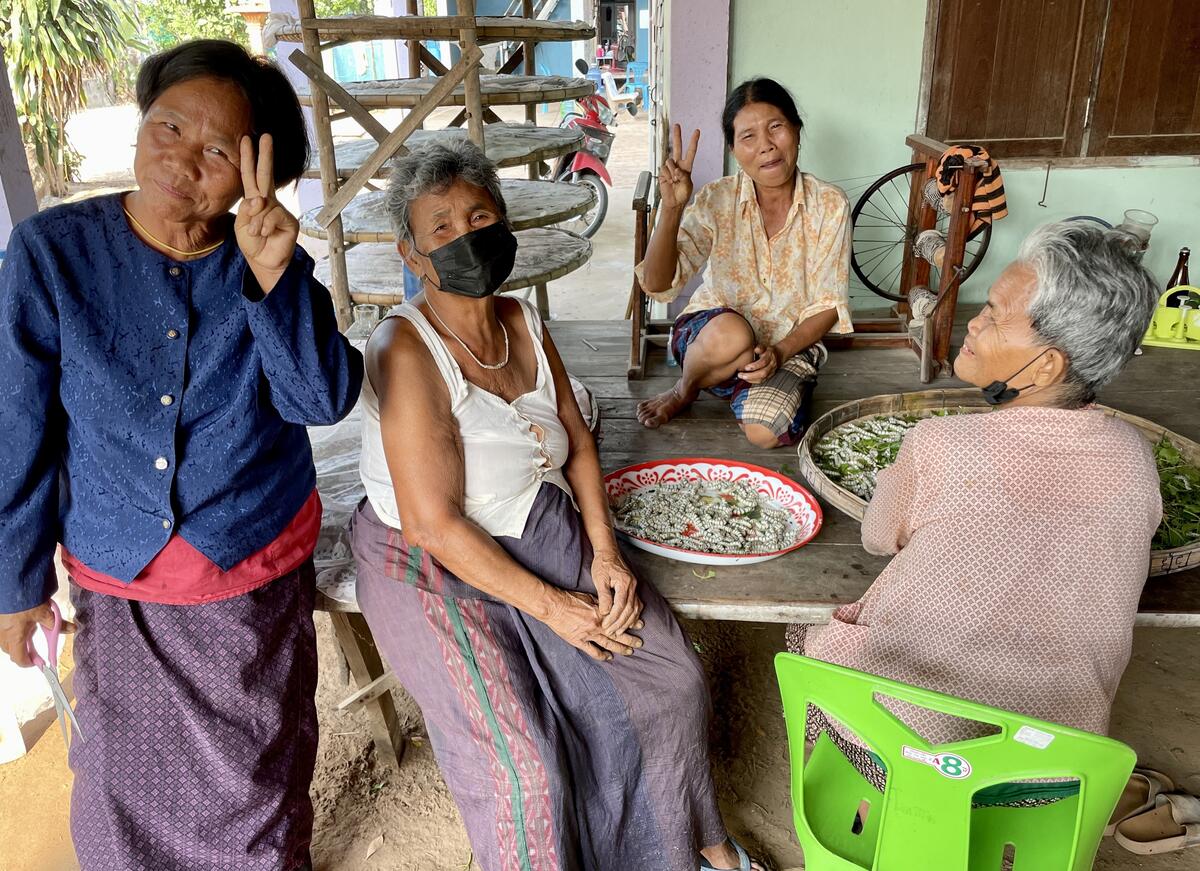
Burnout is often misunderstood as a failure of individual resilience, but the reality is systemic. Workers in Southeast Asia face long commutes, inflexible schedules, and limited protections, particularly in the informal sector, where job insecurity and subsistence wages prevail. For instance, informal employment dominates economies like Cambodia and Myanmar, where workers often endure instability without the safety nets afforded to their counterparts in formal employment.
These conditions, exacerbated by the COVID-19 pandemic, have exposed glaring inequities in digital access and workforce adaptability. While remote and hybrid work have surged globally, they remain a luxury in many Southeast Asian contexts, with rural workers particularly disadvantaged by inadequate digital infrastructure. This digital divide reinforces a cycle of burnout, leaving millions unable to access better work conditions.
The Promise of Progressive Work
PWM offers a roadmap to break this cycle. By emphasizing psychological safety, autonomy, and flexibility, the model not only reduces burnout but also fosters engagement, creativity, and retention.
- Psychological Safety Climate
In a region where hierarchical structures often stifle dialogue, fostering psychological safety is revolutionary. Workers who feel safe to speak up, share ideas, or voice concerns are more engaged and less likely to burn out. Leadership training that incorporates Southeast Asia’s collectivist values can promote participatory practices, replacing top-down management with inclusive decision-making. - Choice-Facilitated Autonomy
Autonomy is not about unchecked independence but about giving workers meaningful choices. In Southeast Asia, where collectivism shapes workplace dynamics, autonomy can be designed to reflect shared goals and communal values. For instance, allowing workers to choose between employee or independent contractor roles based on their needs can bridge gaps between formal and informal employment, fostering stability without sacrificing flexibility. - Flexible Work Practices
Flexibility is no longer a luxury—it’s a necessity. The PWM framework includes practices like part-time work, job sharing, and hybrid models that can be adapted even in resource-constrained settings. For instance, in rural Indonesia, seasonal or self-scheduled work could empower agricultural workers to balance subsistence activities with paid employment.
A Culture-Centric Approach
Southeast Asia’s cultural richness must inform work redesign. The region’s collectivist ethos emphasizes the importance of community and shared responsibility, values that align with progressive work principles. For example, organizations can implement family-friendly policies, such as flexible scheduling for caregiving, to honor cultural priorities while enhancing work-life balance.
This approach also demands sensitivity to gender dynamics. Women disproportionately shoulder caregiving responsibilities, and without targeted interventions, they remain at higher risk of burnout. Maternity leave, childcare support, and mental health resources can bridge this gap, enabling women to thrive professionally and personally.
Making Change Real: Practical Pathways
Transforming work in Southeast Asia requires coordinated efforts from leaders, policymakers, and organizations.
- Leadership Development: Train leaders to embrace participatory styles, fostering environments where workers feel valued and included. For example, training programs can incorporate indigenous values like “gotong royong” (mutual cooperation) to inspire collaborative management practices.
- Policy Reforms: Governments must create flexible labor laws that support dual-status employment and protect informal workers. Public-private partnerships can also bridge the digital divide, enabling flexible work practices to reach rural and underserved populations.
- Cost-Sharing Solutions: To make work-life programs affordable, organizations can explore partnerships with community-based organizations and international bodies like the International Labour Organization. Subsidized healthcare, micro-loans, and savings programs can be life-changing for workers while minimizing employer costs.
A Moral and Economic Imperative
Burnout costs organizations billions annually in turnover and lost productivity. But the cost to society is far greater, eroding the health and well-being of workers and their families. Implementing PWM isn’t just a strategic move—it’s a moral imperative.
Southeast Asia has long been a hub of resilience and innovation. By embracing progressive work design, the region can lead the charge in redefining work for the 21st century, proving that equitable, sustainable labor practices are not just possible but profitable.
The future of work is here, and it’s progressive. For Southeast Asia, the question isn’t whether to adapt but how quickly we can make this vision a reality. Be part of the solution. Signup for our free pilot program today.