By Dr. Monika M. Doss, DBA – Progressive Work Institute Founder, Executive Director
Organizational behavior scholar-practitioner with an emphasis on work design that reduces burnout, improves worker well-being, and optimizes organizational performance through Progressive Work.
Beyond Burnout: Why Progressive Work is the Future of Work-Life Balance
The way we work is broken. For over a century, the traditional 9-to-5 model, born in the industrial era, has defined the rhythm of labor. It’s a rhythm that many have followed, but one that no longer resonates with the realities of modern life. From long commutes and inflexible hours to rising burnout rates and unmanageable workloads, it’s evident that the system needs to change.
Enter the Progressive Work Model (PWM), an innovative framework designed to address these issues at their core. Constructed on the foundation of empirical research and guided by principles of flexibility, autonomy, and psychological safety, PWM offers a pathway to a sustainable work-life balance for the global workforce. The time has come for organizations to adopt a progressive approach to work that prioritizes well-being without sacrificing productivity.
The Burnout Crisis
Burnout, as defined by Maslach, as a psychological syndrome characterized by chronic exhaustion, cynicism, and a sense of inefficacy. It’s a global epidemic exacerbated by rigid work structures that prioritize profit over people. Studies show that burnout costs the U.S. economy over $100 billion annually in healthcare spending alone. But the true cost is even greater, affecting workers’ mental health, job satisfaction, and overall quality of life.
The pandemic revealed the fragility of the traditional work model. It also provided a rare opportunity to reimagine how work could be structured. Workers worldwide demanded flexibility, resulting in the rise of hybrid models, remote work, and alternative schedules. Yet, many organizations reverted to pre-pandemic norms, perpetuating the very conditions that lead to burnout. This resistance to change highlights the need for a systemic shift.
The Progressive Work Model: A Solution for Modern Work
The PWM, as developed in this research, is a forward-thinking approach that redefines work to align with the needs of today’s workforce. It integrates three core components: choice-facilitated autonomy, flexible work practices, and work-life programs, all operating within a climate of psychological safety.
- Choice-Facilitated Autonomy: This concept empowers workers to choose their job status—whether as employees or independent contractors (ICs). Unlike traditional classifications determined solely by organizational needs, this approach centers on the worker’s preferences, promoting autonomy and equity. By granting workers more control over their professional lives, organizations can reduce feelings of powerlessness—a key driver of burnout.
- Flexible Work Practices: These encompass a variety of arrangements, from remote work and flextime to compressed workweeks and job sharing. Such practices address the rigidity of traditional schedules and allow workers to better balance professional and personal responsibilities. Research indicates that flexibility not only improves work-life balance but also enhances job satisfaction and reduces turnover.
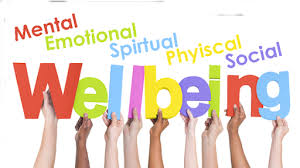
- Work-Life Programs: Programs supporting health, caregiving, and personal development are essential in fostering a humane work environment. They acknowledge that workers are not just employees but individuals with multifaceted lives. By addressing barriers to work-life integration, organizations can create a culture that values well-being alongside performance.
Why Progress is Non-Negotiable
The stakes are high. Burnout is not just an individual problem; it’s an organizational one. Disengaged workers, high turnover rates, and declining productivity are the hallmarks of a workforce under duress. A Gallup survey found that organizations lose billions annually due to burnout-related turnover. The message is clear: investing in worker well-being is not just ethical—it’s economically prudent.
Moreover, the cultural shift in worker expectations demands that organizations adapt or risk losing talent. Millennials and Gen Z, who now form the majority of the workforce, prioritize flexibility and mental health over traditional markers of success. For them, work-life balance is not a perk—it’s a baseline expectation.
The Global Perspective
One of the PWM’s strengths is its adaptability across cultures. By integrating individualism and collectivism, the model addresses diverse cultural needs. For instance, in collectivist societies, the emphasis might be on family-oriented work-life programs, while in individualist cultures, autonomy and flexibility might take precedence. This adaptability ensures that PWM is not a one-size-fits-all solution but a framework that respects regional and cultural differences.
The Call to Action
The time for incremental change is over. Organizations must have the courage to embrace progressive work as a comprehensive solution to burnout. This requires more than superficial adjustments; it demands a fundamental rethinking of work design. Leaders must ask themselves: Are we building systems that support our workers, or are we perpetuating cycles of stress and disengagement?
The Progressive Work Model is not just a framework—it’s a movement toward a better way of working. It challenges organizations to prioritize well-being and foster a culture where workers can thrive. As scholar-practitioners, we have a unique role to play in championing this shift. By bridging research and practice, we can lead the charge in transforming the workplace for the better.
Let’s move beyond burnout. Let’s progress. Signup for our free pilot program today.