Welcome to the Progressive Work Institute

The Progressive Work Institute is committed to globally implementing the Progressive Work Model (PWM) to reduce burnout and create healthier workplaces. Through rigorous research, advocacy, and collaborative partnerships, we tailor the PWM to meet the unique workforce needs of each organization by prioritizing autonomy, flexibility, psychological safety, and work-life balance. Our mission is to replace outdated work design with an evidence-based solution that empowers both workers and organizations to thrive, fostering a global movement toward healthier, more progressive ways of working that meet the needs of the modern workforce.
Story Behind the Mission
After years of frustration with the rigidity and inflexibility, and not having a say in how or when she worked, she left corporate and started her own companies – structuring them to have a more flexible, autonomous culture. But even after leaving corporate, she was not able to completely escape her frustrations because the clients her firm works with experience toxic work cultures, pay gaps, and unreasonable workloads. So she decided to re-up her toolbox by pursuing a doctorate to figure out a solution. She discovered during her doctoral journey that the reason she left corporate and what clients were experiencing was the persistent problem of burnout.
Burnout is a global problem that has plagued the workforce for decades, resulting in the majority of the global workforce having experienced burnout at some point during their career and high turnover. Currently, in the US, almost 70% of workers reported experiencing burnout. So it is likely that your organization’s workforce has experienced, or will experience burnout at some point – ultimately leading to turnover.
Burnout is a complex problem that is more than just feeling tired, or having a busy week. It is a psychological syndrome emerging as a prolonged response to chronic interpersonal stressors on the job – resulting from chronic stress associated with intense work demands [i]. ‘Chronic’ is the operative word, meaning the stressors are incessant over a long time before burnout occurs. The three key dimensions of this response are an overwhelming exhaustion, cynicism and detachment from the job, and a sense of ineffectiveness and lack of accomplishment [i].
The over 40 years of burnout research, conducted by burnout scholar Christina Maslach, has determined that the structure of the workplace is a main cause of the problem, and to remedy it, how we work should change [i]. That is why Dr. Monika’s idea of empirically designing the Progressive Work Model for her dissertation was formed. Now there is an empirically designed work model that reduces burnout. The Progressive Work Institute team pilots and implements the Progressive Work Model at organizations across the globe to reduce workers’ experience of burnout and help organizations recoup the $322 billion lost to burnout and turnover [i]. We are dedicated to a better way of working by helping organizations cultivate healthy work environments that prioritize autonomy, flexibility, psychological safety, and work-life balance.
The Progressive Work Model
The PWM entails forms of work that deviate from the current way of working to align with the needs of the modern workforce that are increasingly expected in practice by empirically testing choice-facilitated autonomy, flexible work practices, and work-life programs across cultures. The research methodology was primarily a quantitative study of individuals across the globe who are part of the workforce. In 2023, primary survey data from 8,484 individuals from six continents and 81 countries was collected. Findings revealed helpful and important guidance to change the way we work, so organizations across the globe can find the courage to progress beyond the current way of working to meet the progressive needs of the modern workforce.
Meet The Team
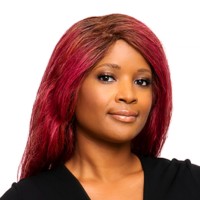
Dr. Monika Doss, DBA, MS, MBA

Dr. Prince Abubakari DBA, M.Eng, MCEN, MBA, DevSecOps, PMP, CEM, CWEP

Dr. Susanne Steiner, DBA, MBA